Projects
Projects at a Glance
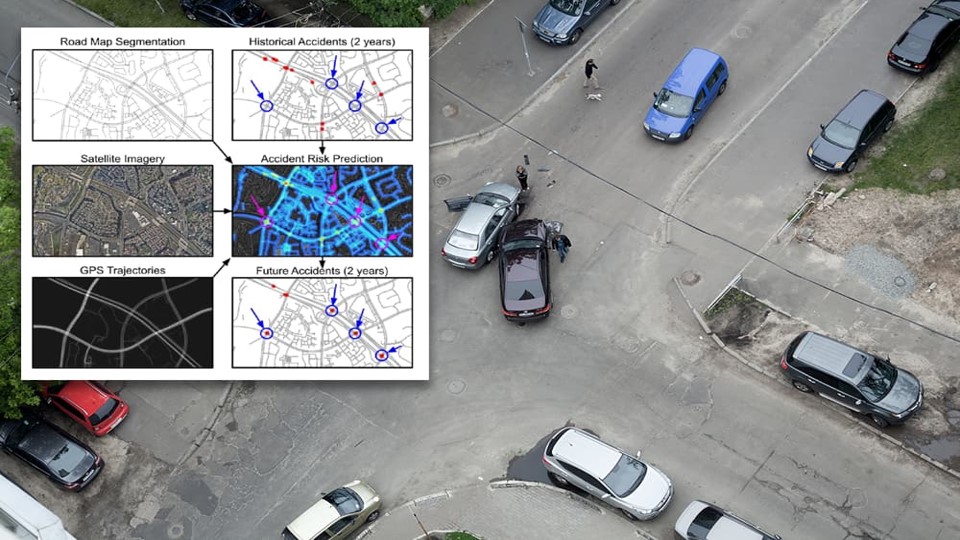
Have you ever considered any other option for tracking, managing, and controlling roads and streets rather than widely used Traffic Cameras?
In Today's world with ever-increasing life speed and demanding life going on, we need to manage the high volume of traffic in the streets smoothly and swiftly. While considering the data associated with cameras and the processing time of such systems, it is unlikely to be able to handle real-time traffic data and provide a traffic map as a data feed for routing applications available worldwide utilizing their users' traffic data to illustrate traffic volume and suggest optimal routes. If it was 10 years ago we would be happy if we could extract some simple data from Traffic Cameras even after a long period of breathtaking data processing, but by obtaining new options available right now, it is wise to prepare additional methods and devices to address issues around this problem.
With new Chips handling data at such a high rate, we can even obtain data from an RF sensor working at 77GHz with low costs as a result of commercialized chipsets' technology and mass production. We have this rule of thumb that any system's price rises rapidly as the frequency goes higher and equipment gets more expensive while there are some specific frequencies available that make our high-frequency system affordable and cost reasonably. To obtain enough information from a moving vehicle, we need specific bandwidth and fairly good resolution both in Range and Frequency so that we can estimate the position and velocity of the vehicle accurately.
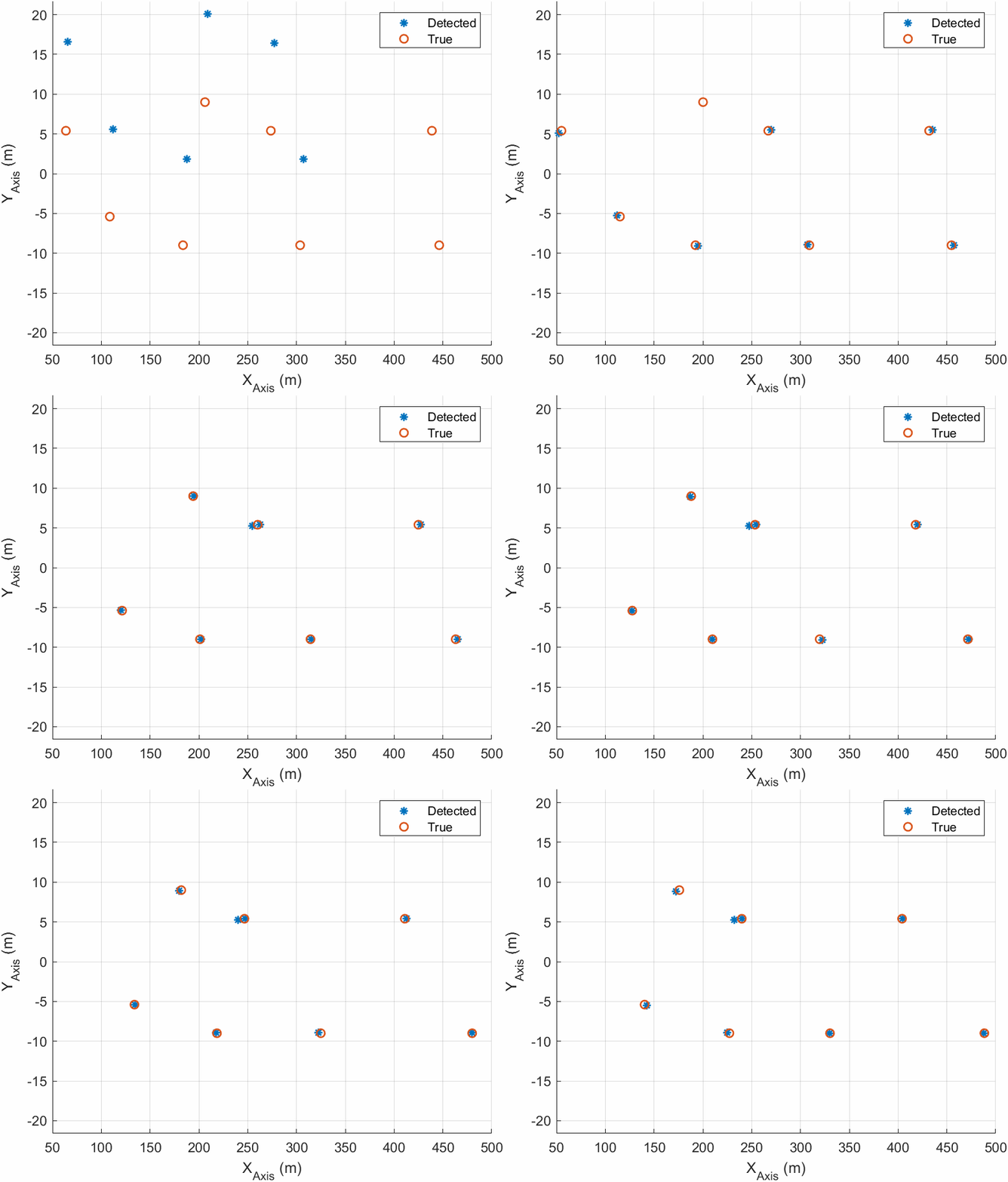
Adding up all these facts, we can consider RF sensors as the priority to use! At the University of Tehran, we designed and simulated Traffic volume and obtained information from vehicles in MATLAB to implement it in real-world scenarios later. This requires putting the required algorithms available in Machine Learning, Neural Networks, available analytical solutions, and other numerical optimizations together to make this system work properly! Below, there is a 5GHz R-D Map and its corresponding XY plane available as the result of such simulations:

The very edge of distant Communication in any system at any location is the System's Sensor providing Telecommunication thanks to Hertz's and Marconi's first Sensors! But why do we have so many different types of Sensors in different shapes and technology in the market? What is the incentive to provide such a variety of Sensors in the market?
It is the very physical constraints and expense that bring us to design and implement different Sensors for different applications. Sensors are specified mostly by some of the limited parameters yet, their materials, technology, and physical state may differ even with equal values in those parameters! Consider dipole, Yagi-Uda, Patch Sensor, Reflective Sensor, Horn Sensor, and other widely used types of Sensor. When starting this project, we were faced with different options to use for autonomous vehicles' RF sensors, and I decided to choose reasonable ones and compare those simulated to find the best! One of the options was to start from a Waveguide, put a slot on it, and design a leaky-wave Sensor.
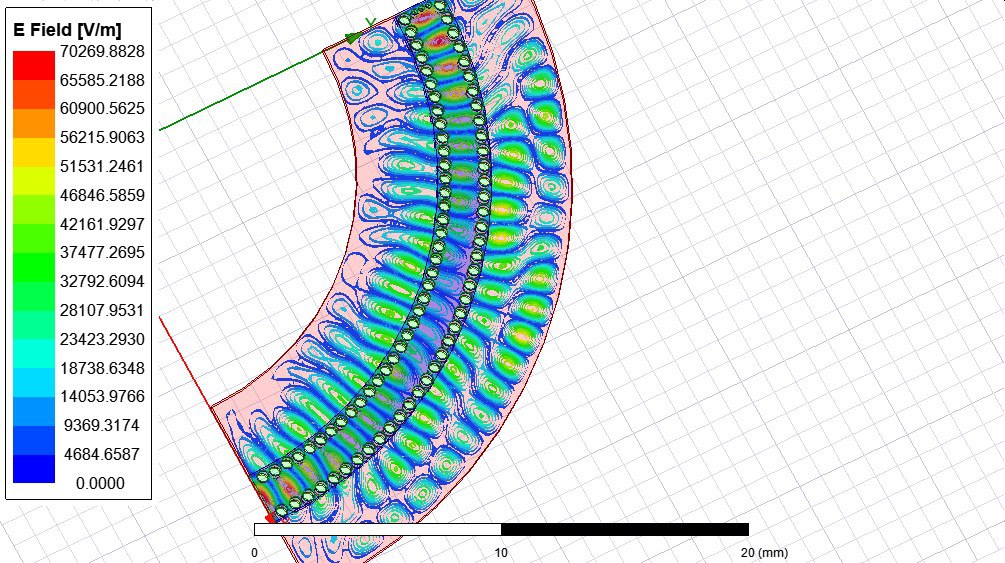
However, with limited space and available area for the Sensor, I decided to continue the project by designing a conformal annular slotted waveguide Sensor. Following design rules and simulation, the result was satisfying and took us to the next level which was to turn this bulky expensive design into a low profile cheap but still useful Sensor. This is where I designed and Slotted substrate-integrated Annular Sensor at 77GHz and simulated this unit in HFSS. Below we can see some design steps and output patterns of such a Sensor. You can also see the presentation of my undergraduate project in this Link.


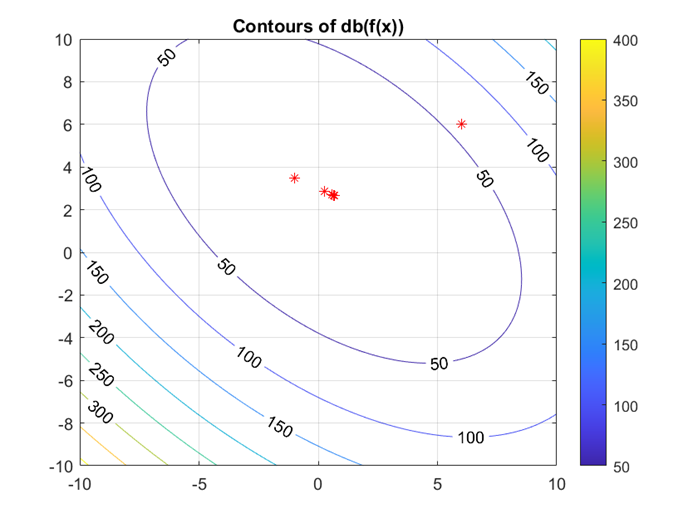
One of the Most impressive Optimization methods that comes in handy when dealing with various types of problems is the Gradient Descent Method Family. Both the Steepest Descent Method and the Newton Method are illustrated here in a simple problem to show their potential specifically in higher dimensions.
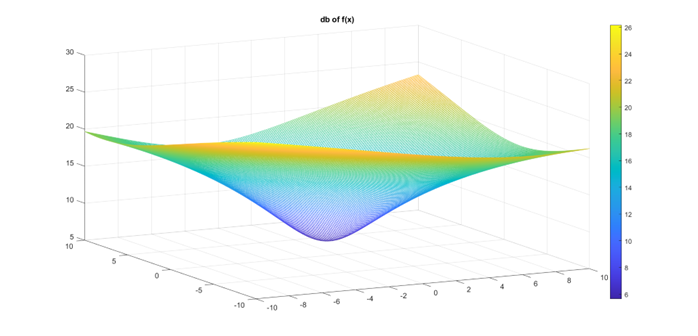
Consider the problem of finding the minimum value of such a function:
$ f(x) = x_{1}^{2}+x_{2}^{2}-4x_{1}-6x_{2}+13+x_{1}x_{2} $
We can use Analytical differentiation to find its minimum as far as the function is Convex meaning the local minimum is the same as the global minimum. Instead, we use GD to find its solution to test this method and visualize the result for better understanding.
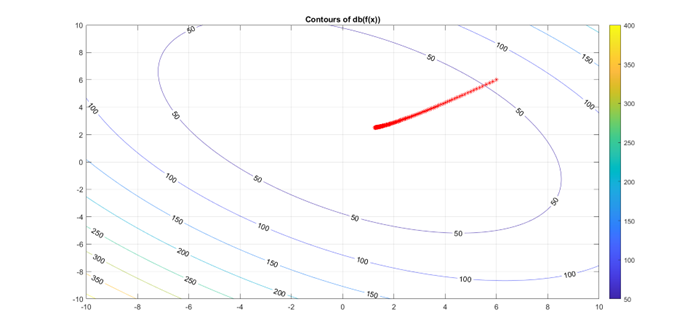
Below we can see the problem illustration:
After Applying GD and Newton we can see their results here:
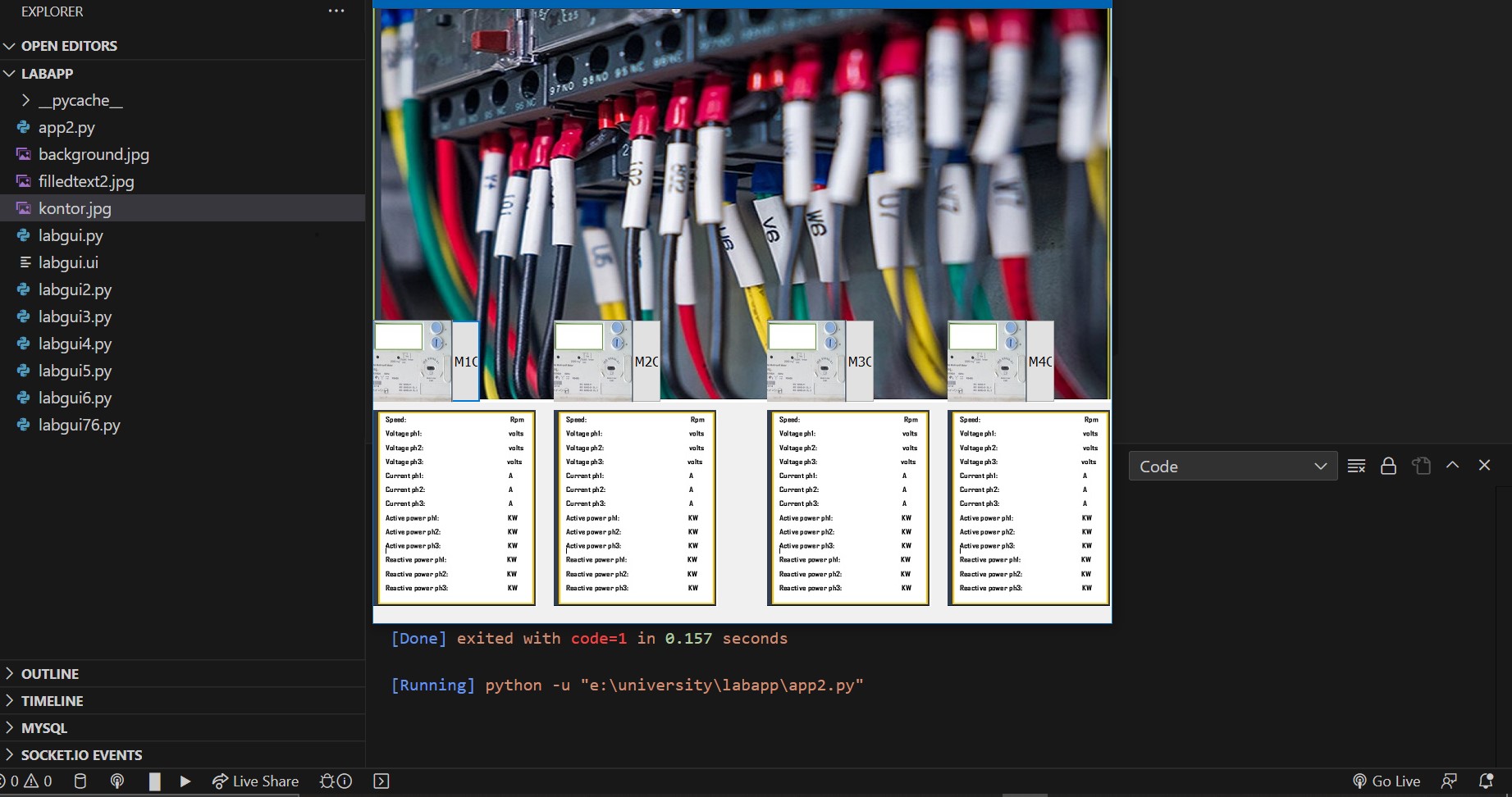
It was the end of the 4th Semester at the University of Tehran and I had pulled my strength together to find a laboratory to gain experience in the summer of 2019. I ran into one of my professors and while discussing score-related topics around the Electrical Machine Course, He mentioned that there is an urgent need for an IOT Team to design and implement a Monitoring System at the Machine Lab. in the Electrical Faculty. I took my chance and applied for this position along with my friends on the Team.
At the end of summer, we learned so much about different Networking and Monitoring systems, Raspberry-pi and STM32 devices, Python Programming, and UI design with PYQT5.
Most interesting problems are faced at the end of each semester in the form of Final Projects at the University of Tehran, but some projects are those that you can apply so much of your knowledge that makes you the happiest when reaching the ultimate result. The BSS Course's final project was one of them.
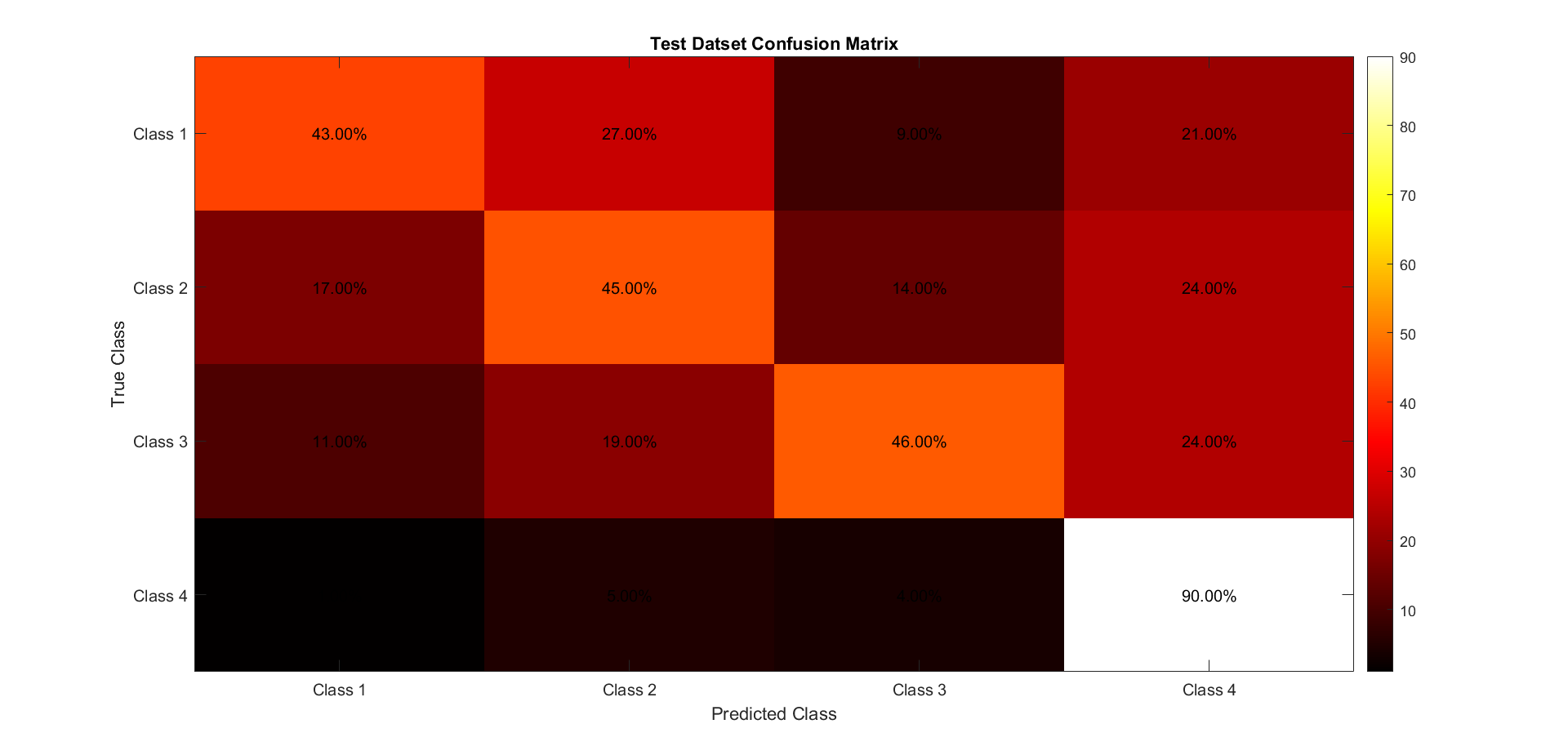
In this project, we deal with a problem arising from a contest looking for an optimal method to classify EEG-recorded signals based on 4 labels consisting of:
- Movement of Right Finger
- Movement of Right Arm
- Movement of Right Leg
- No Actions
To address this issue, we designed a classifier as shown below:
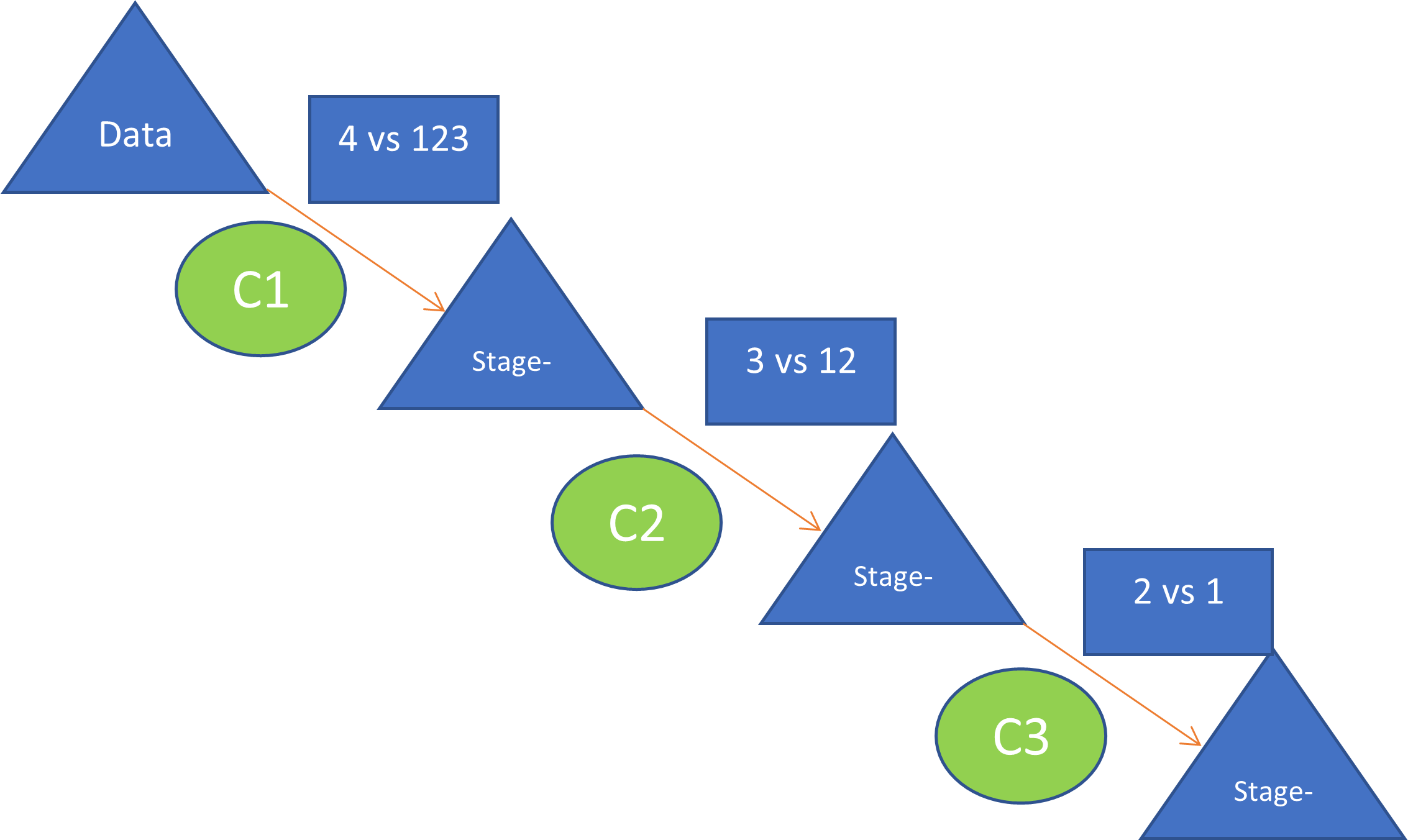
We used a CSP (Common Spatial Pattern) filter and applied an LDA (Linear Discriminator Analysis) classifier in the mapped domain. By applying these techniques and whitened data, the classifier reaches almost 90% Accuracy in most cases.
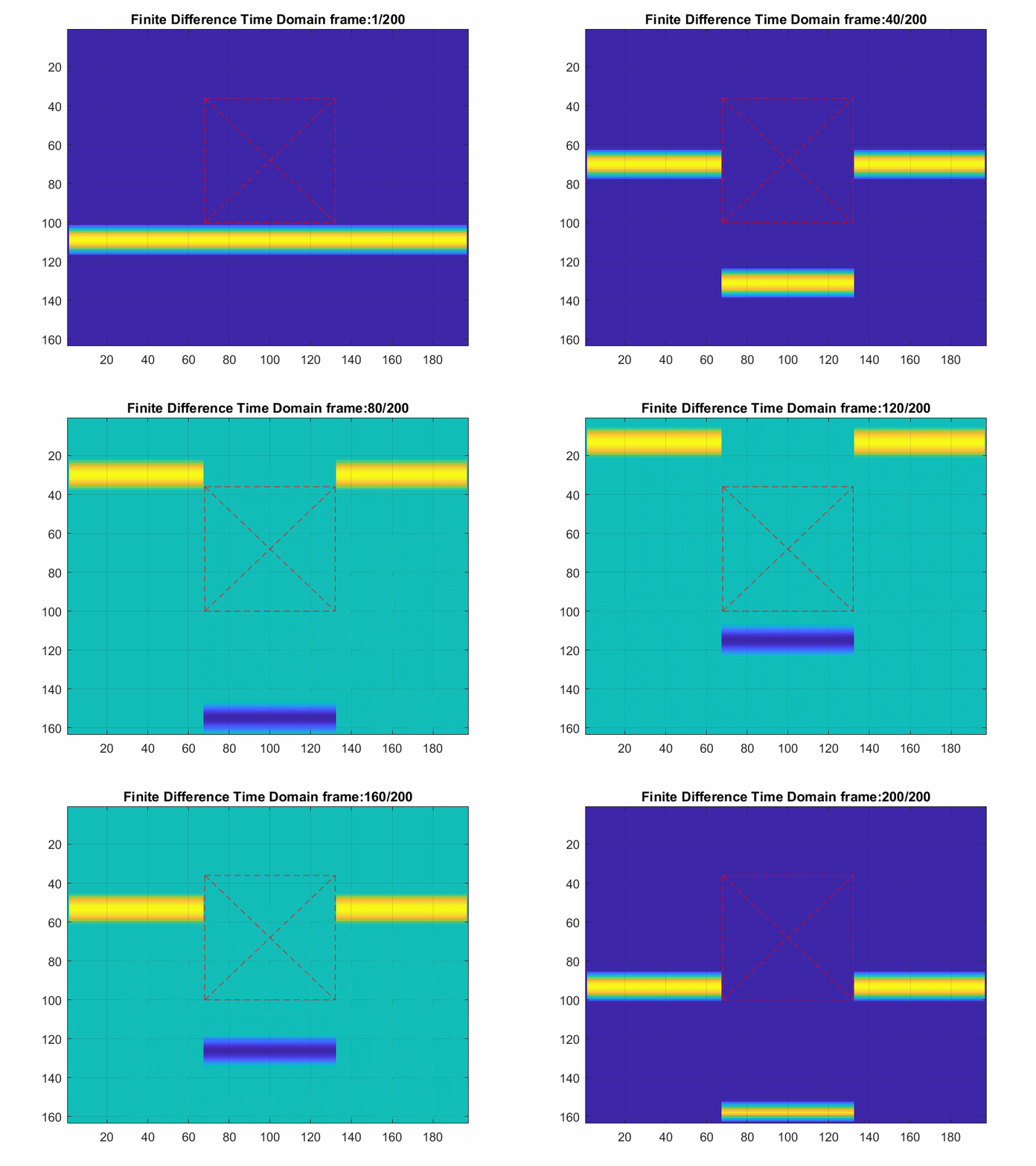
Numerical Methods in recent years have attracted a lot of attention even in Electromagnetics. The heart of many powerful simulation Tools such as HFSS, CST, and COMSOL is the very Finite Difference Method used to solve Differential equations numerically. Here we have used FDTD (Finite Difference Time Domain) Method to simulate wave propagation in a closed square with a source within the square and an obstacle in the middle of the sqaure.
We have used Hard-Boundary Condition in problem geometrical borders when modelling PEC surface.
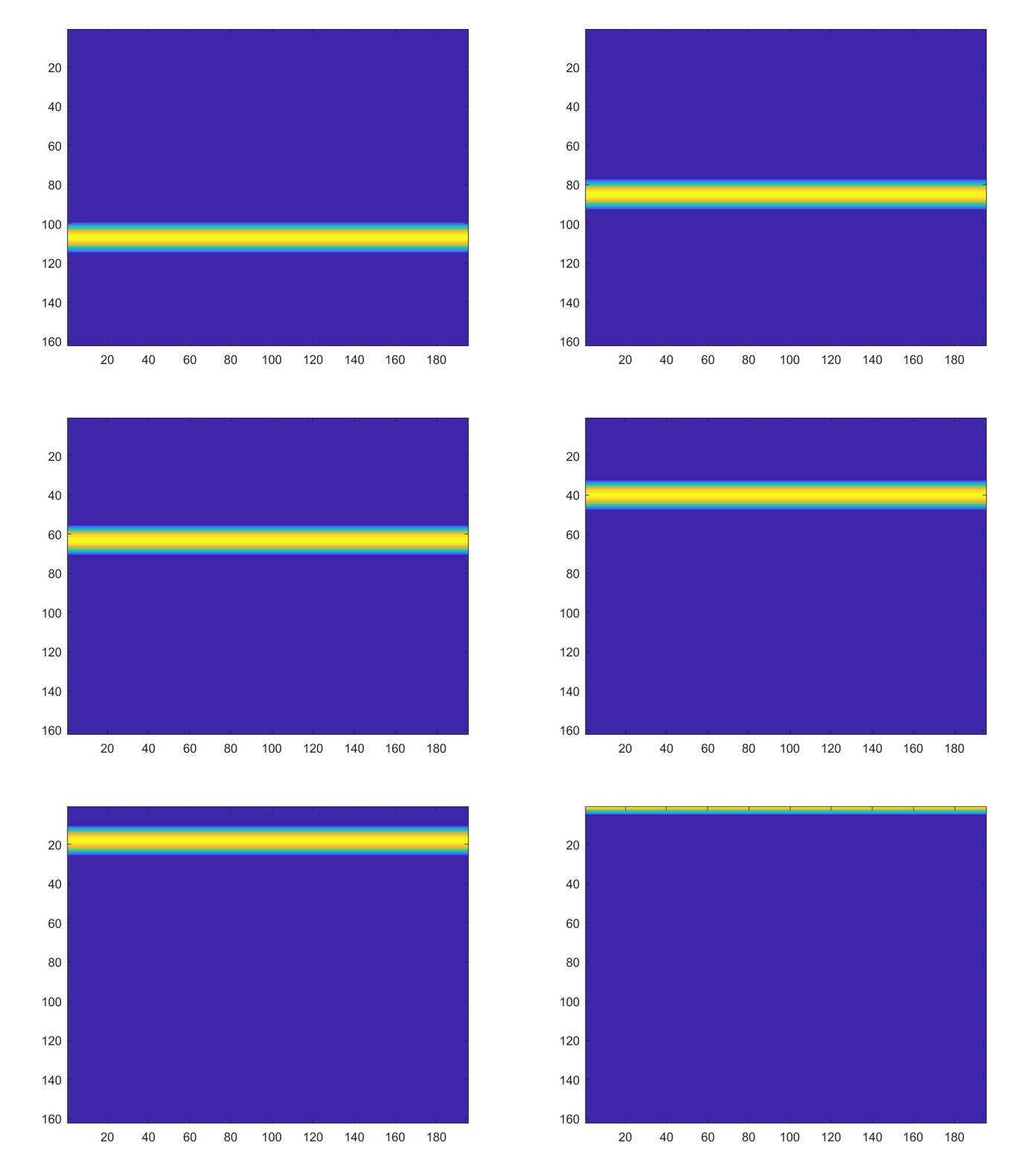
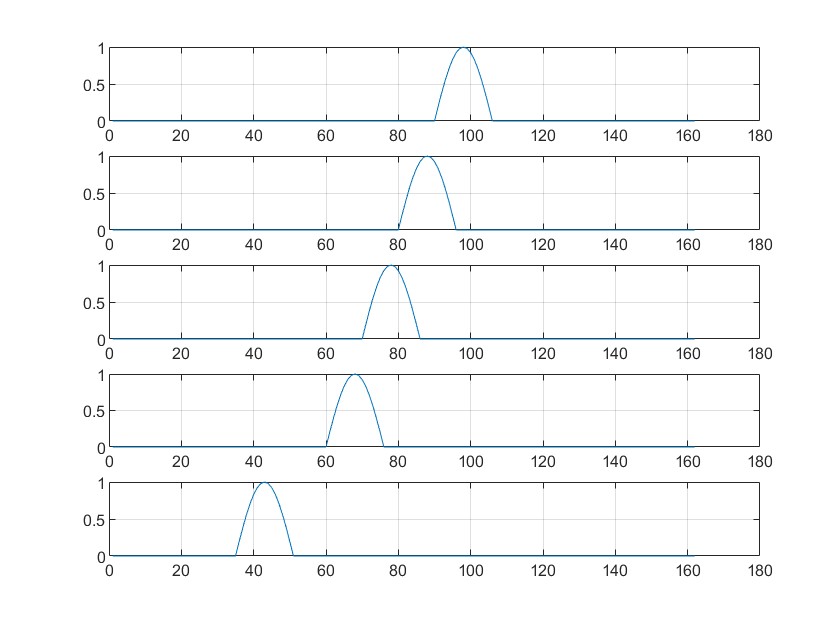
Array Optimization is one of those problems that requires a new direction to look at in order to find innovative ways to reach the optimal solution. Facing this problem with a new approach based on the Optimization of a specific cost function enables us to tackle this issue and address the problem in a wide area considering physical and practical constraints.
Here, I present a 1-D Array Optimization approach based on the minimization of this cost function:
$ J = \|AF(\theta)-g(\theta)\|^{2} $
By considering our desired pattern $g(\theta)$ we can optimize array parameters to minimize the MSE (Mean Square Error) between the desired pattern and the array factor within the feasible set of answers. Also, we can reach the minimum number of elements after this optimization by applying a Convex Optimization problem to get a sparse answer with the desired SLL (Side Lobe Level).
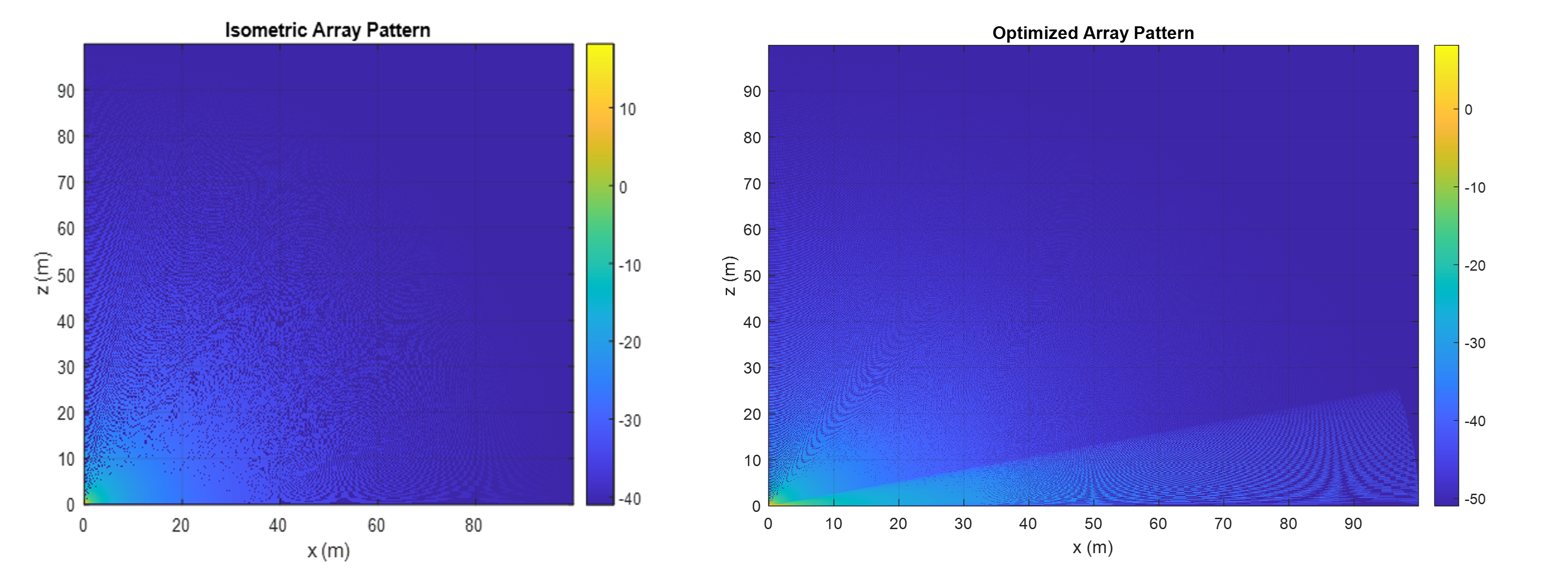
Below we can see a comparison between optimized and uniform arrays in terms of received power calculated by the Ferris equation in free space:
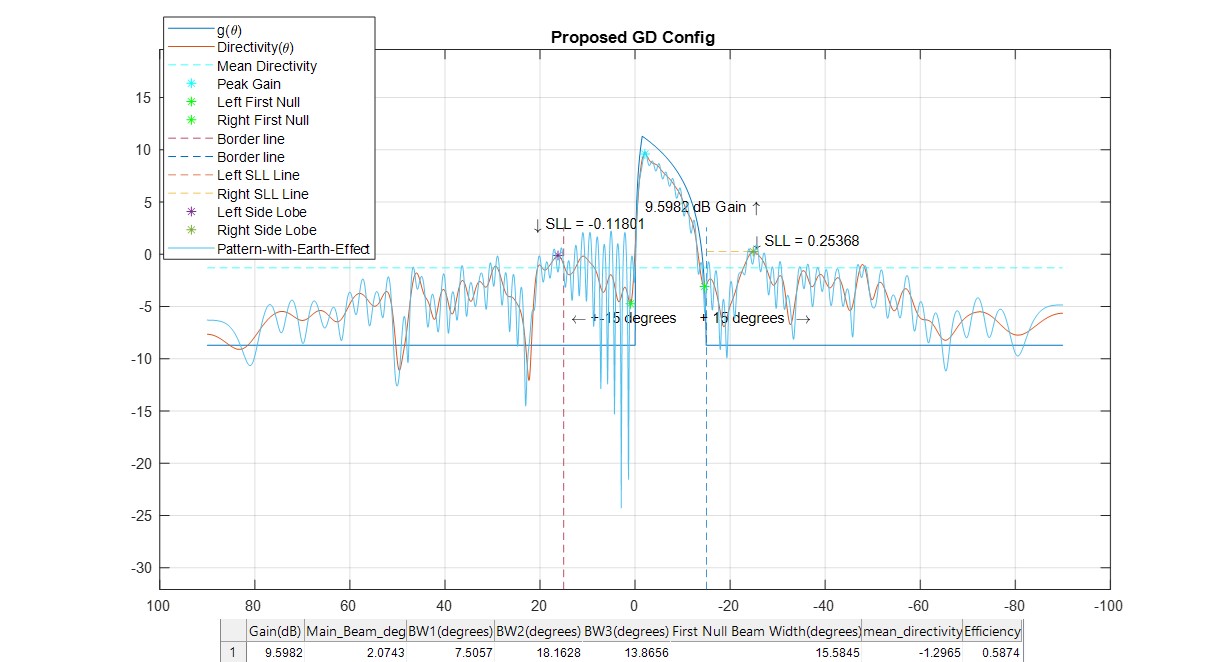
More details will be published in the near future!